中間人 / Go-Between
Go-Between was made during a return to the Lingnan region after seven years away. During that absence, Felicitas lost her grandmother, while places she knew through family and repeated visits continued to change. Returning meant recognizing some things immediately and finding others difficult to place.
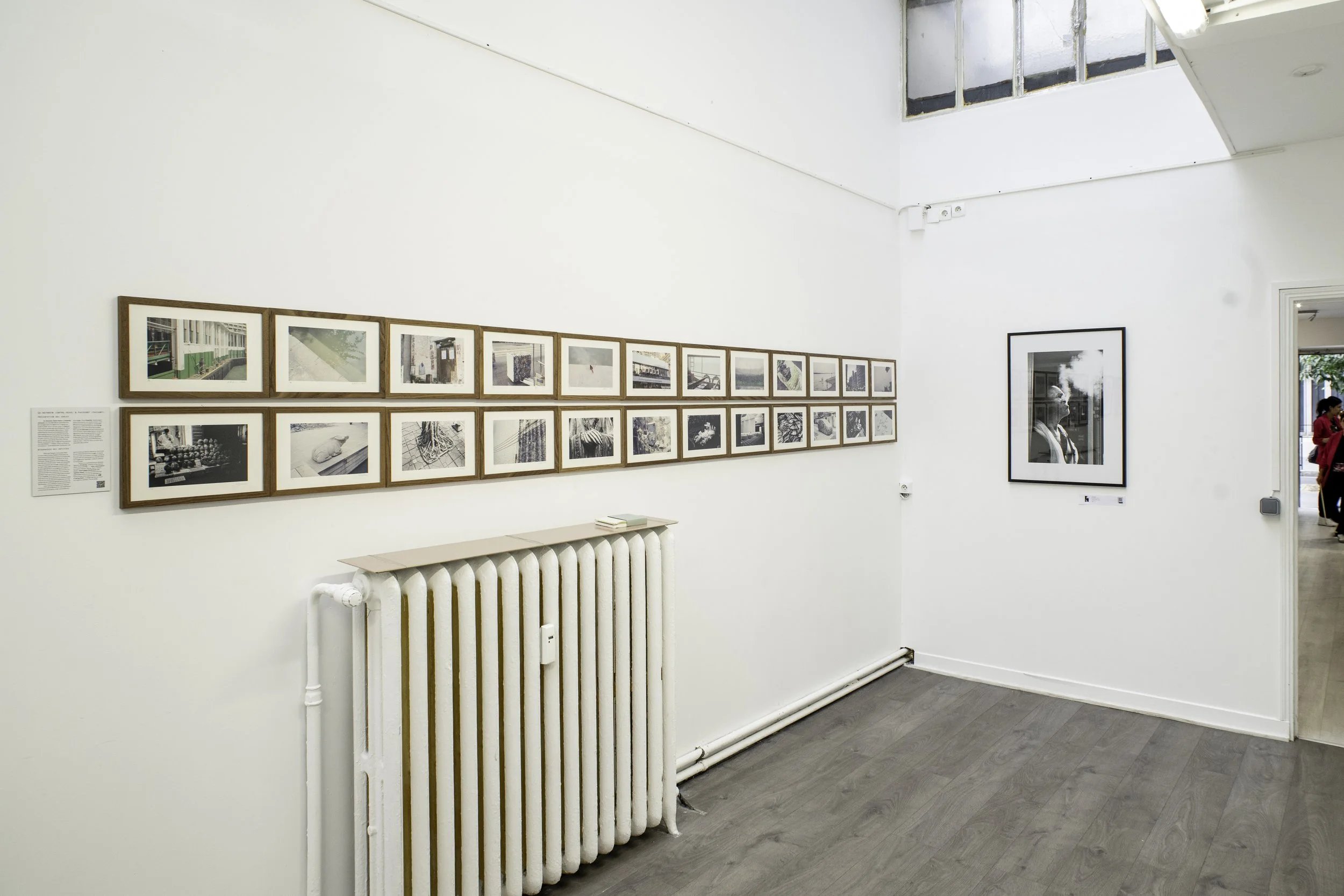
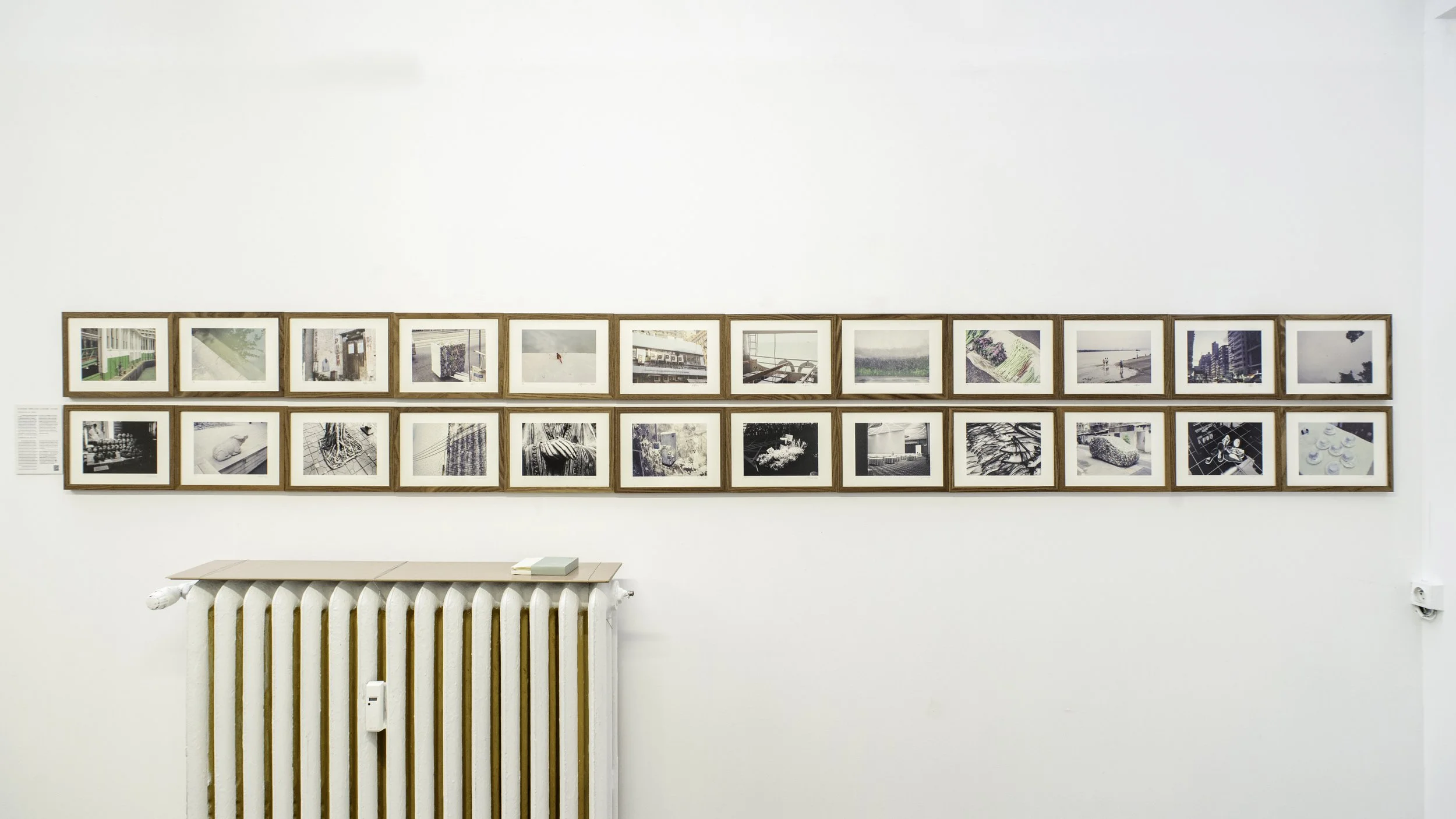
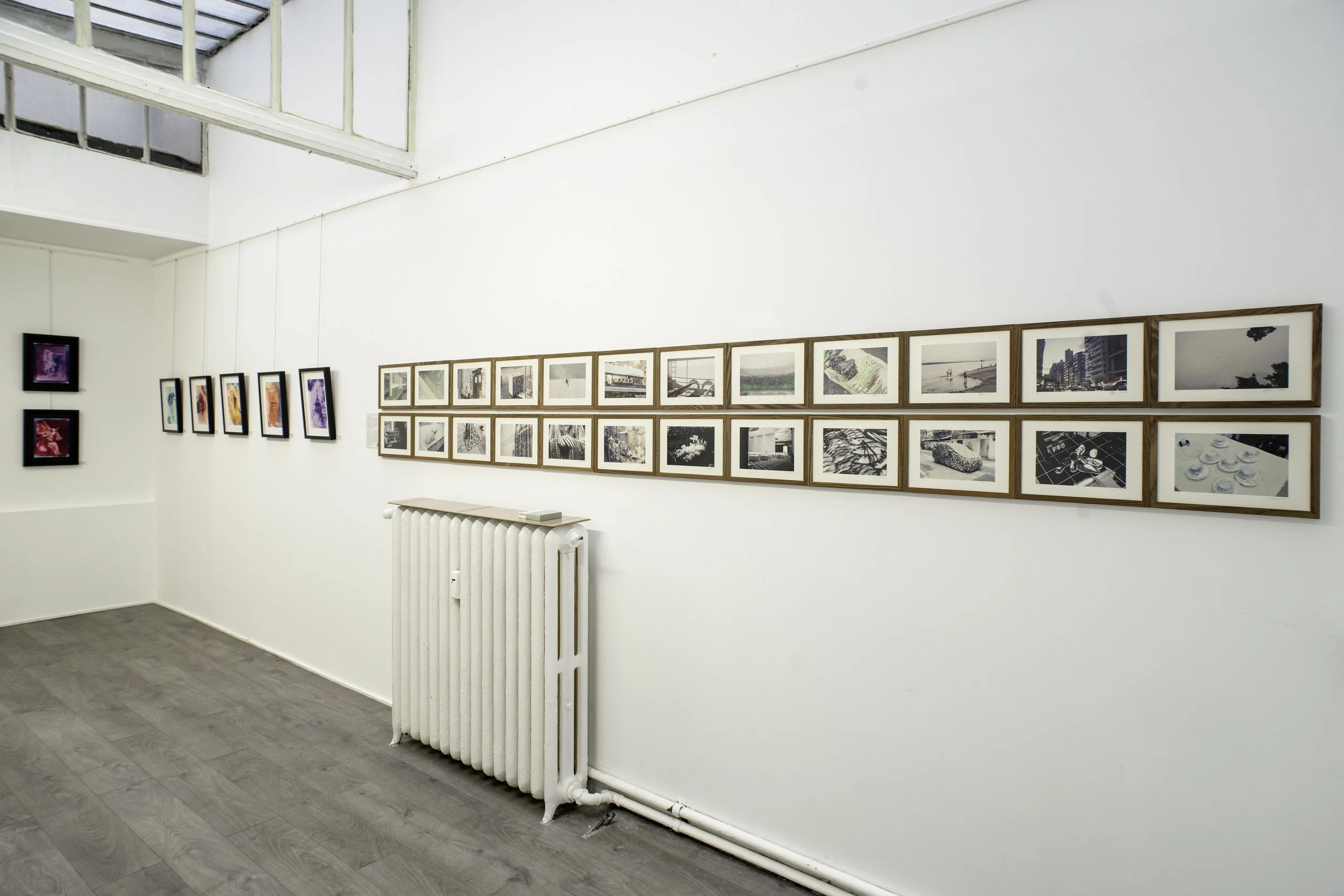
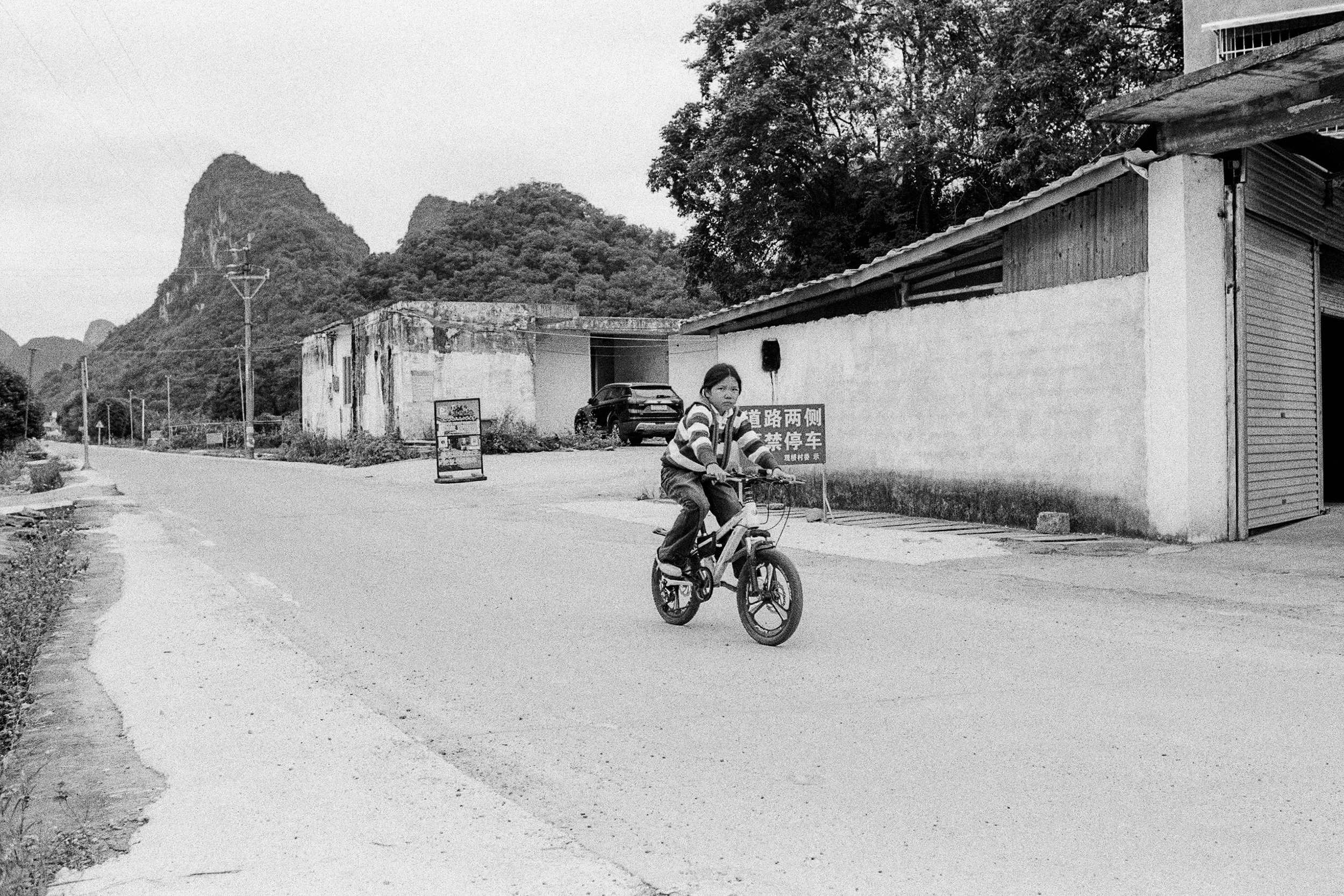
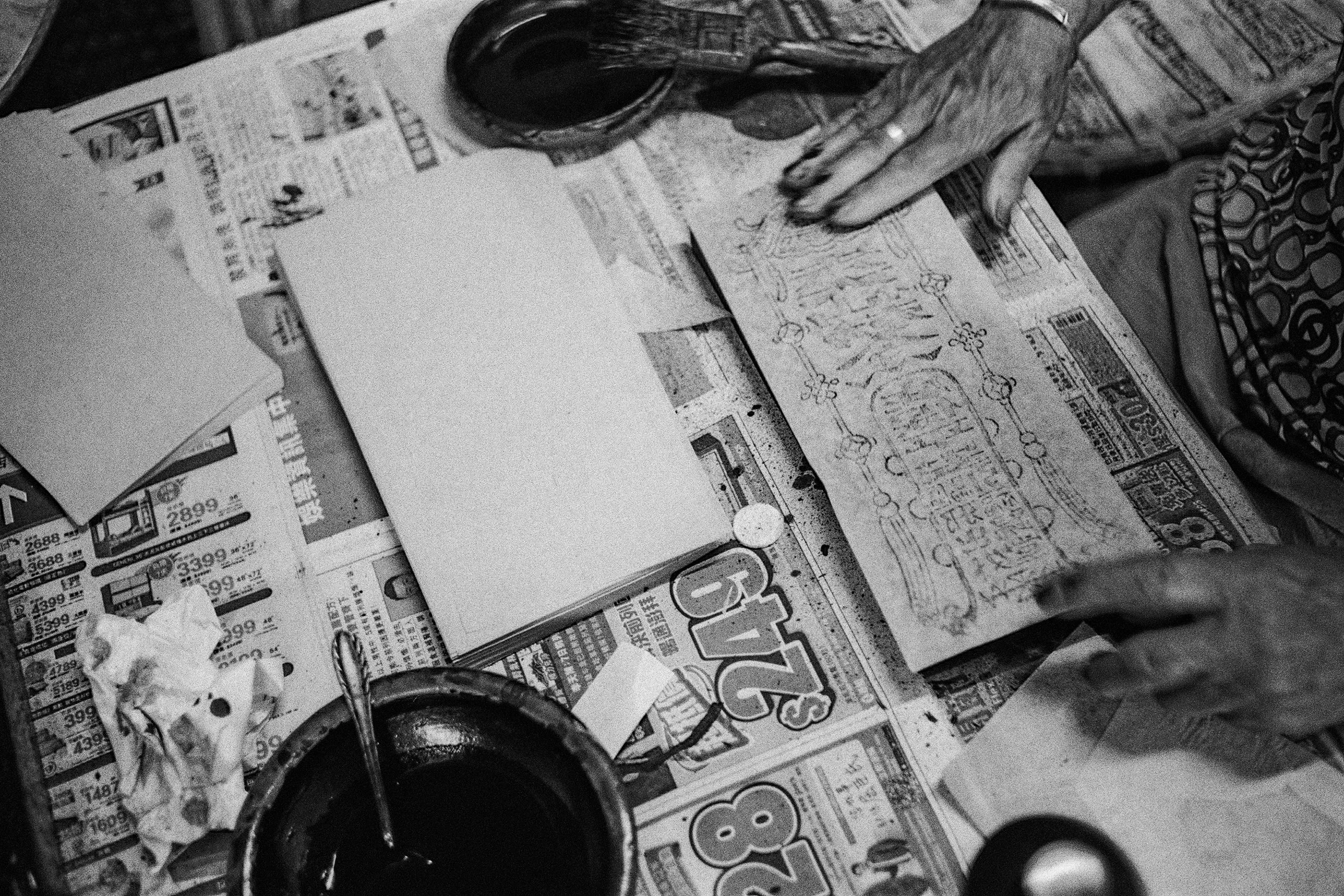
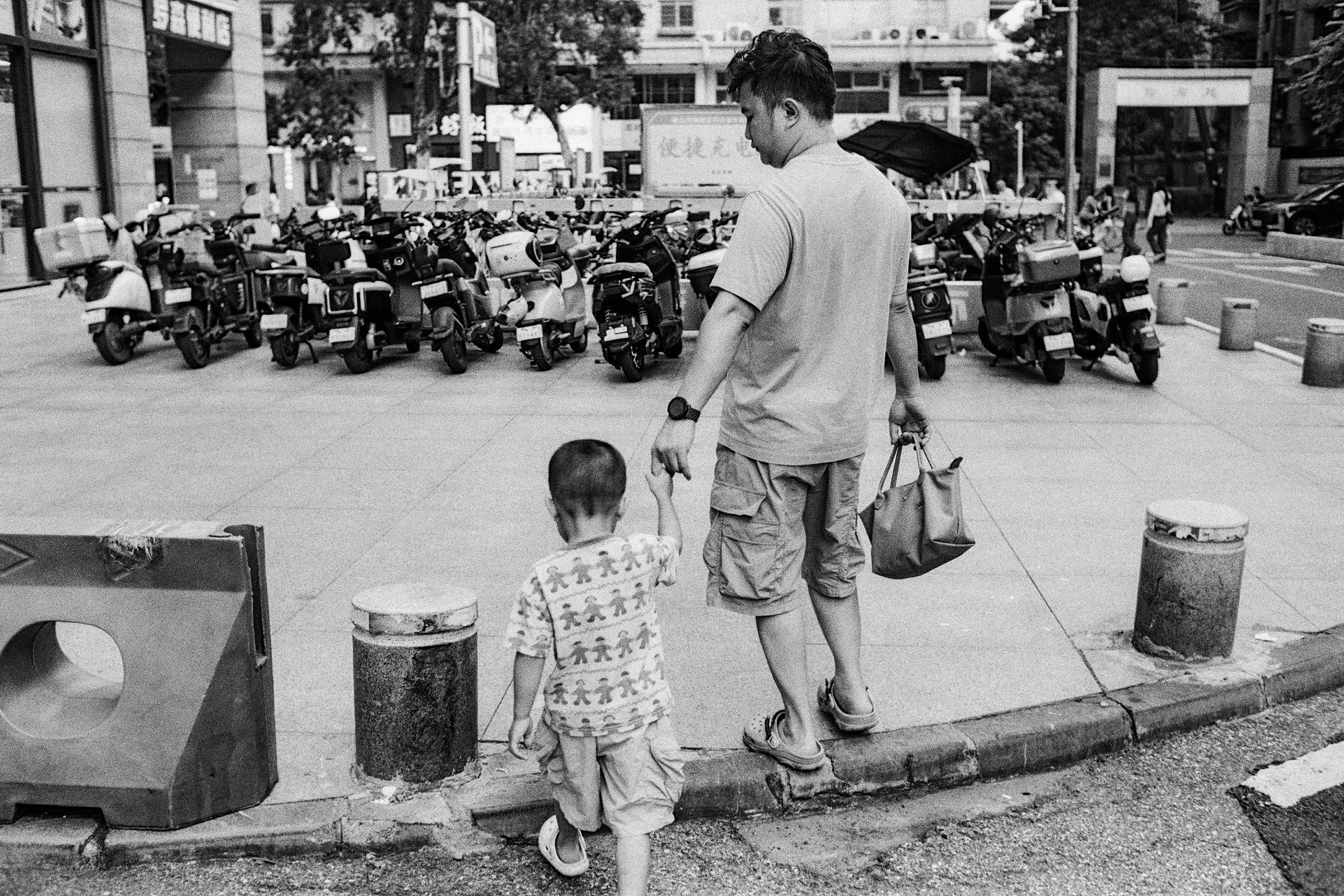
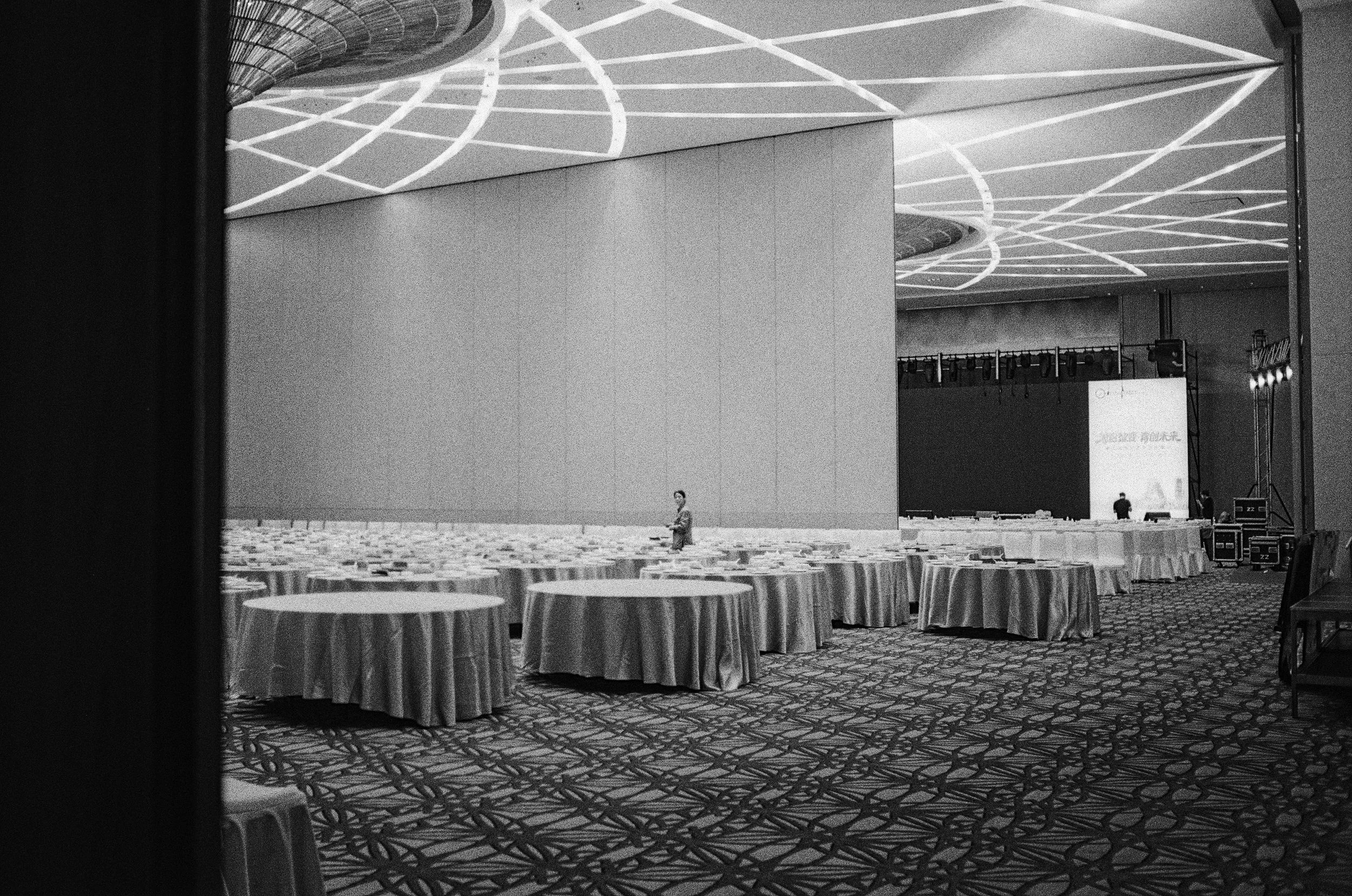
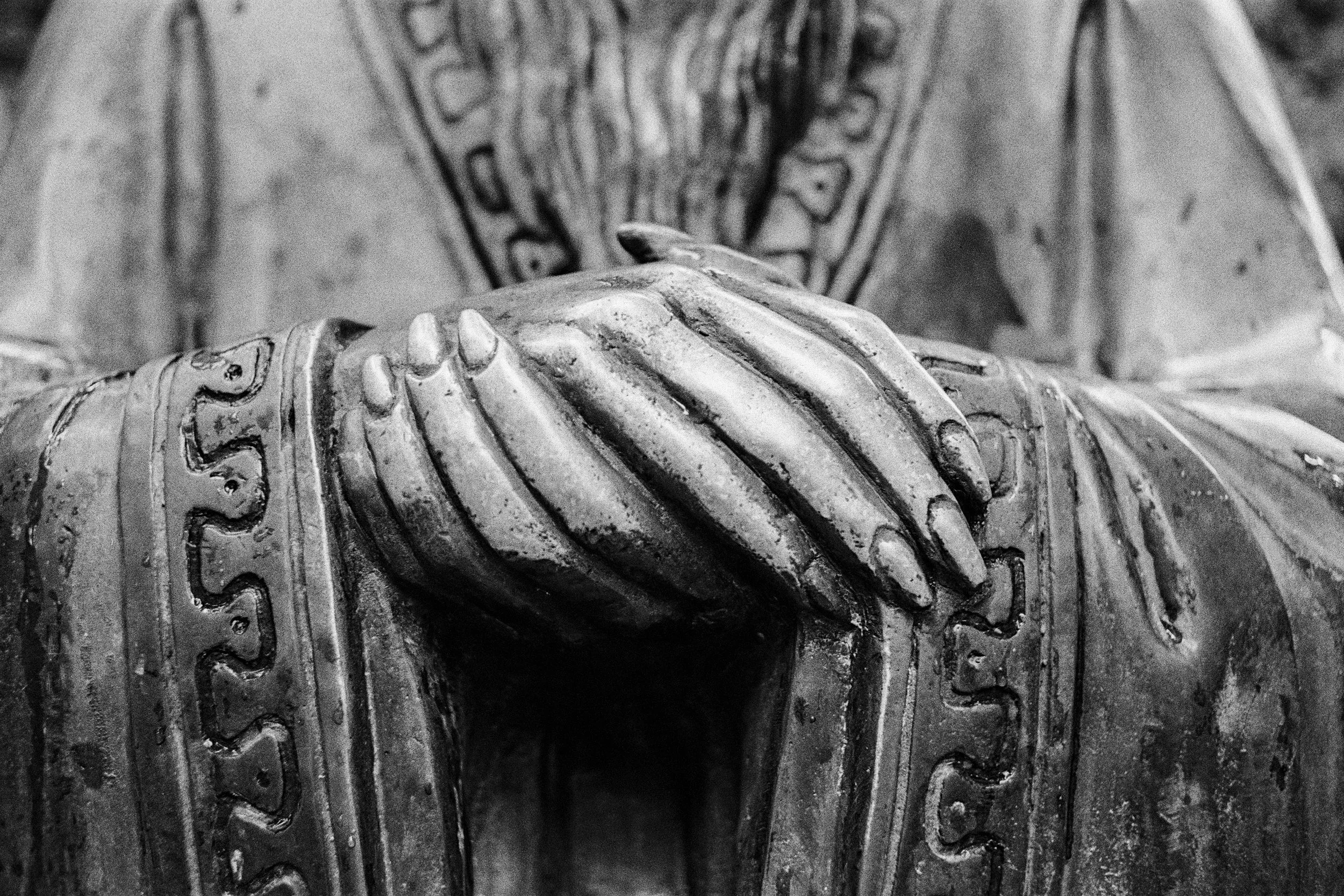
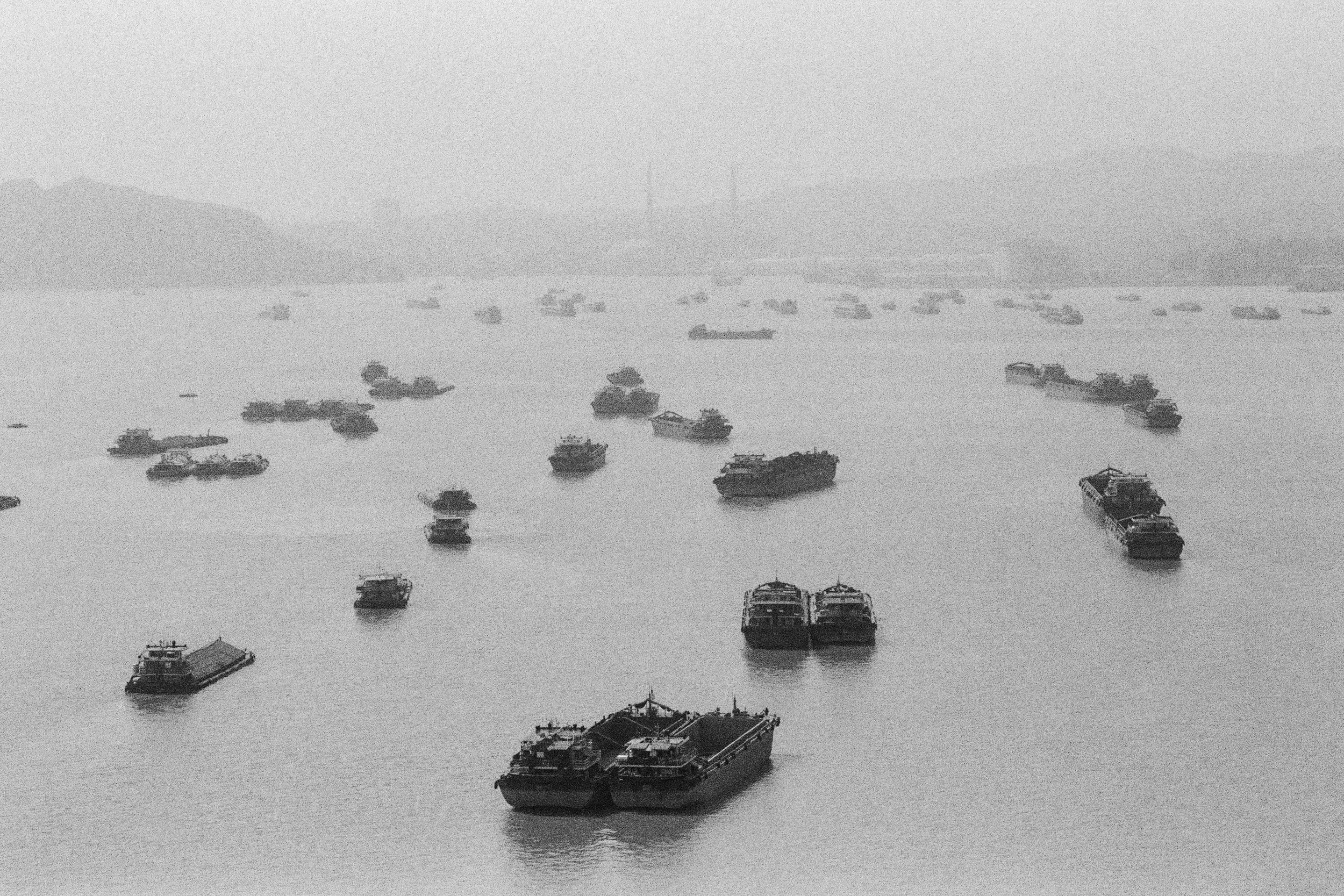
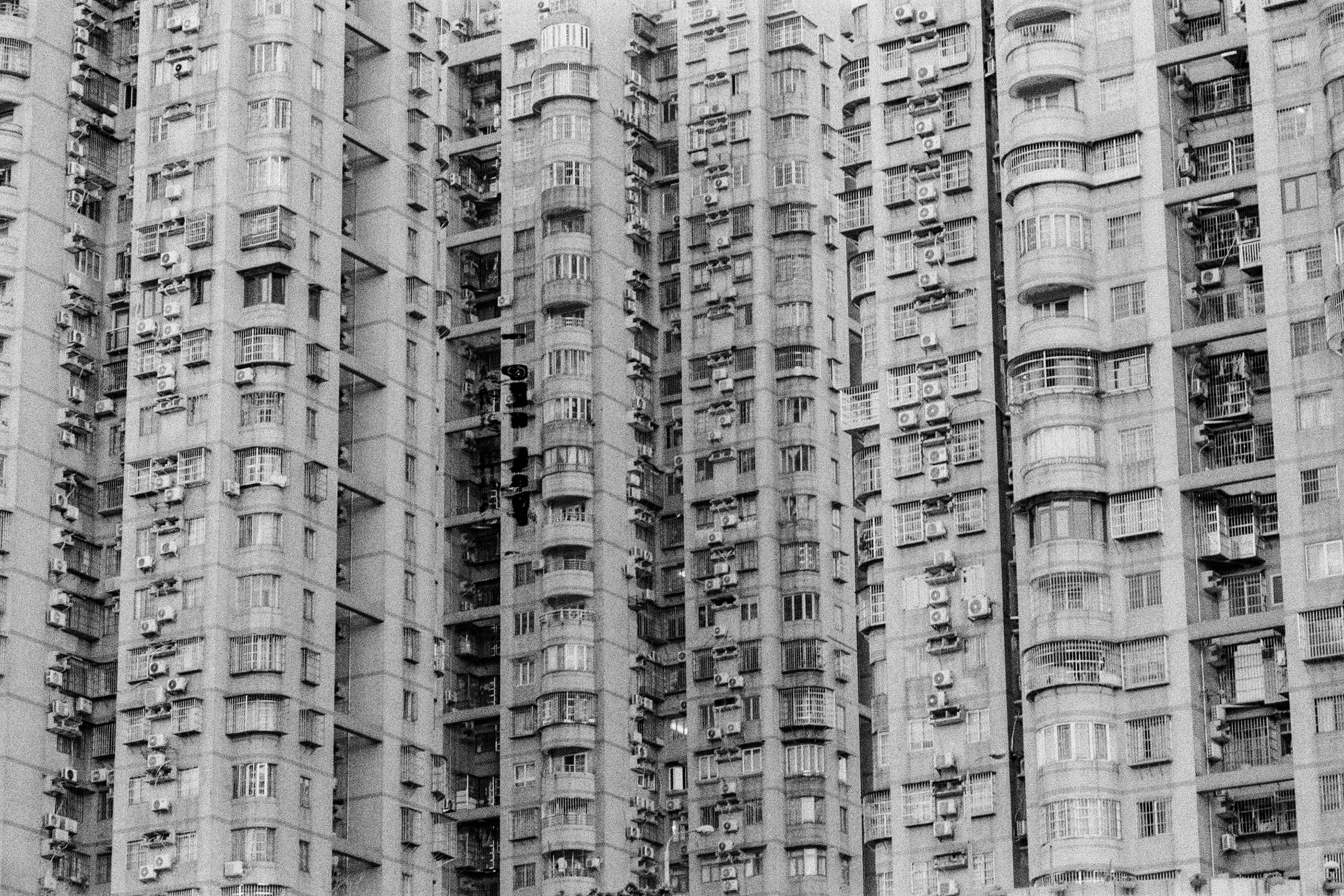
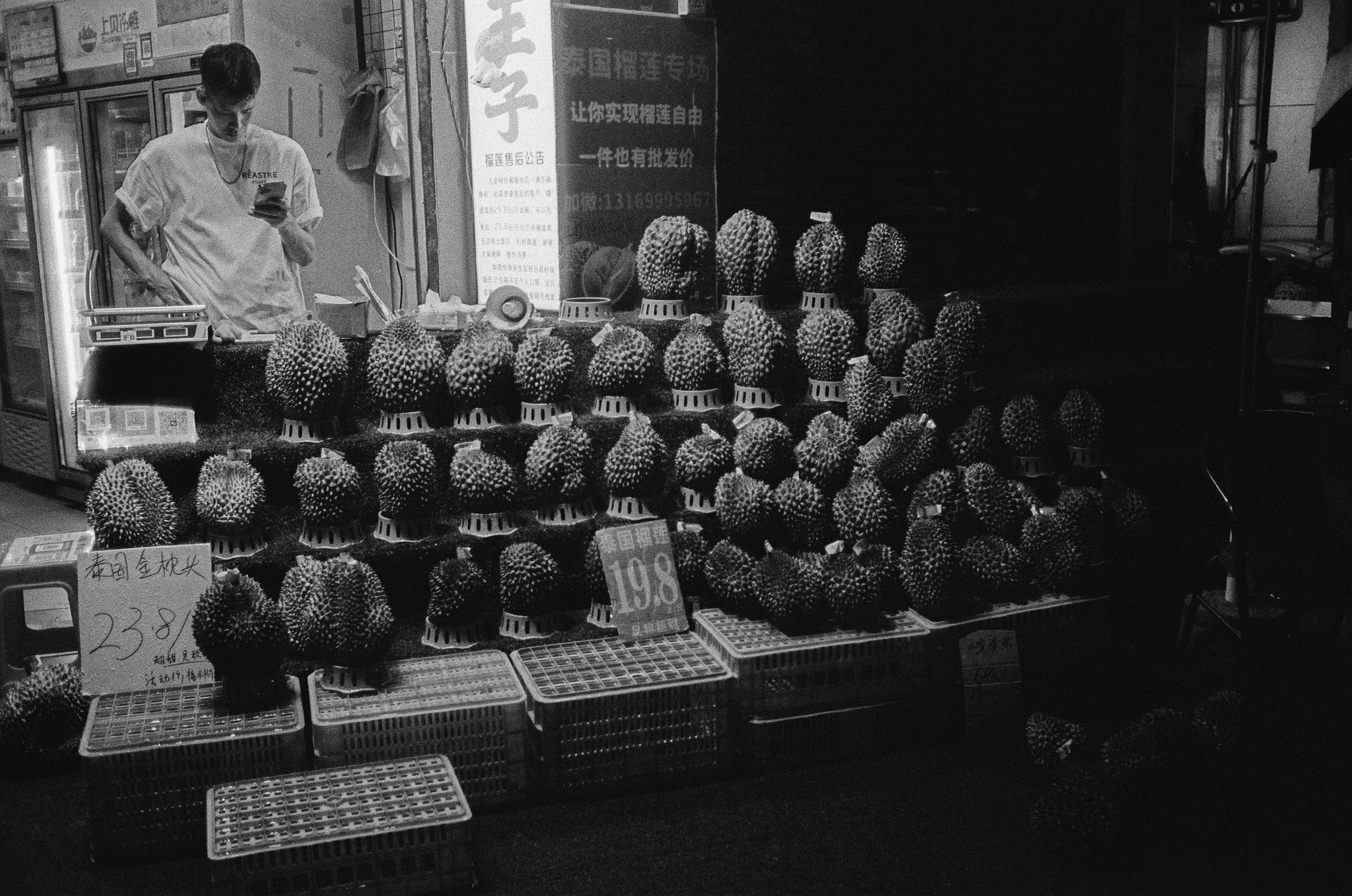
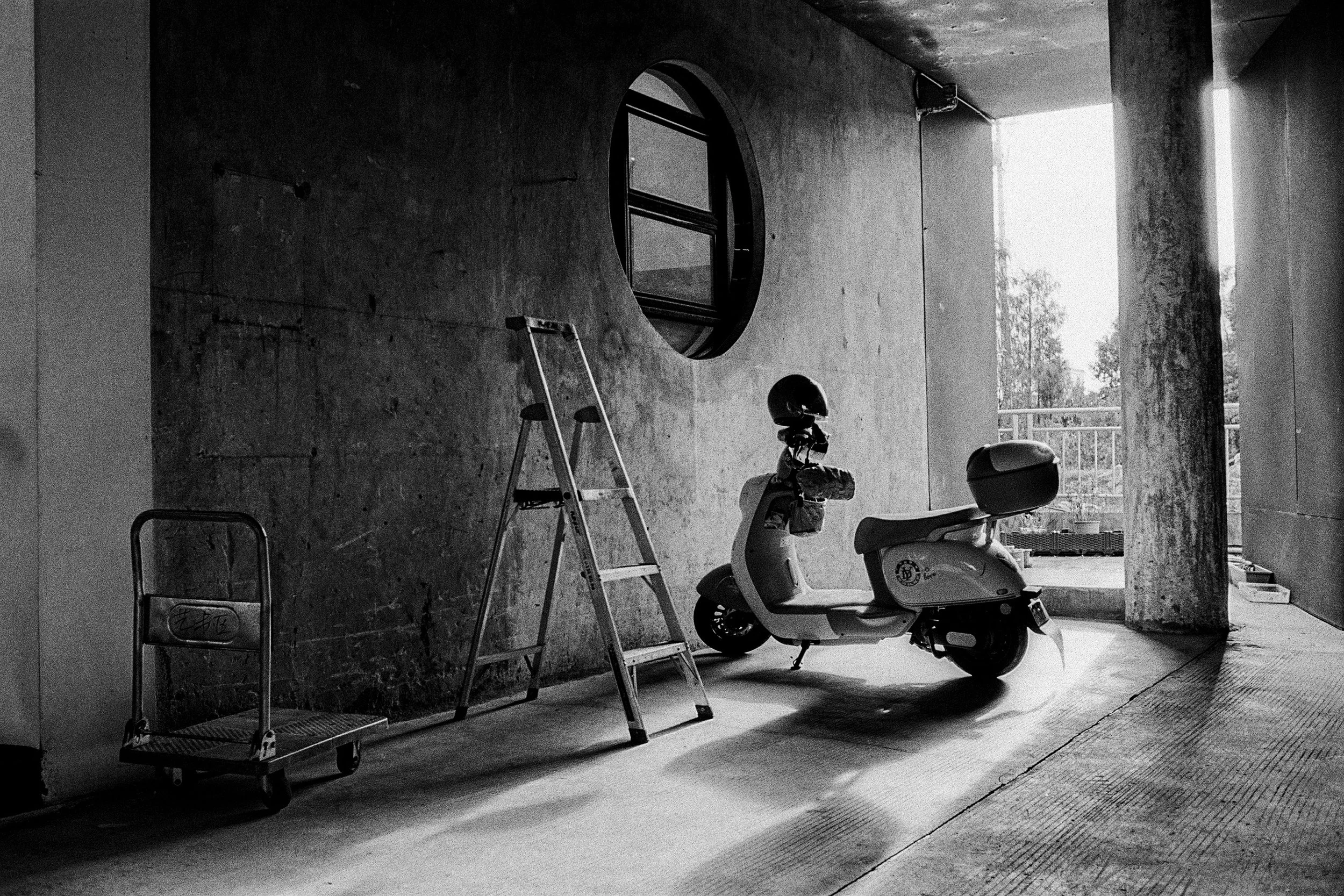
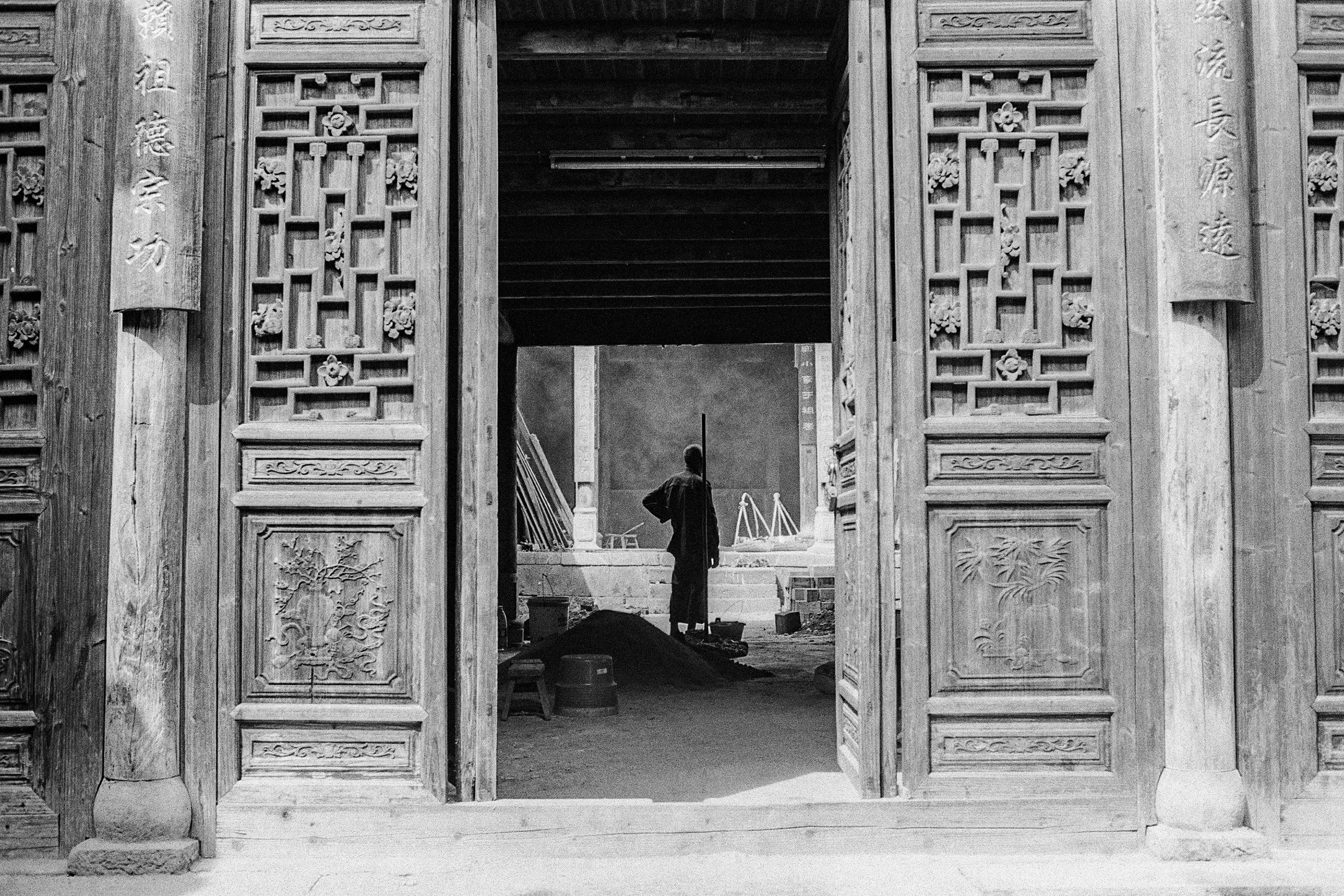
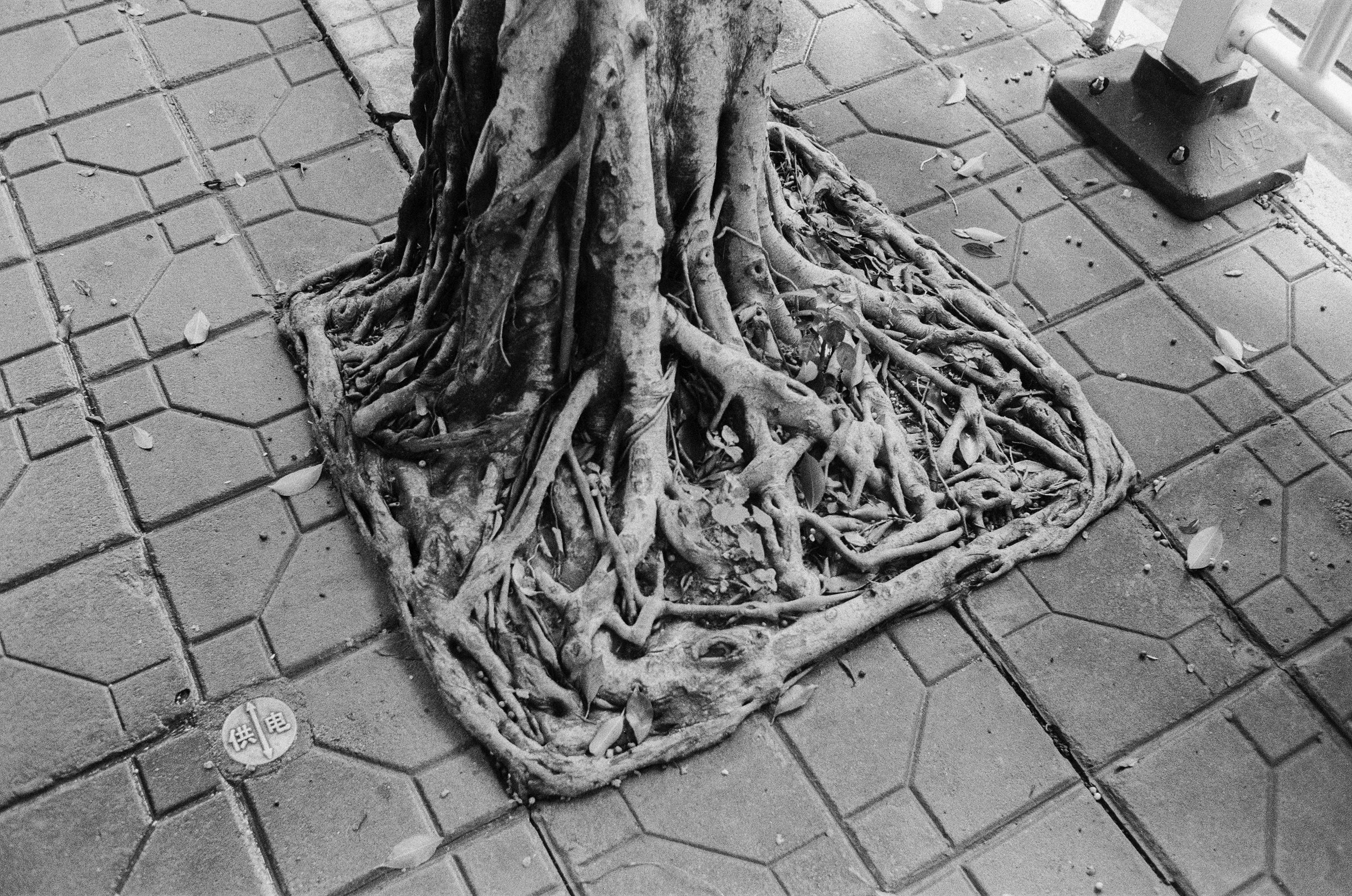
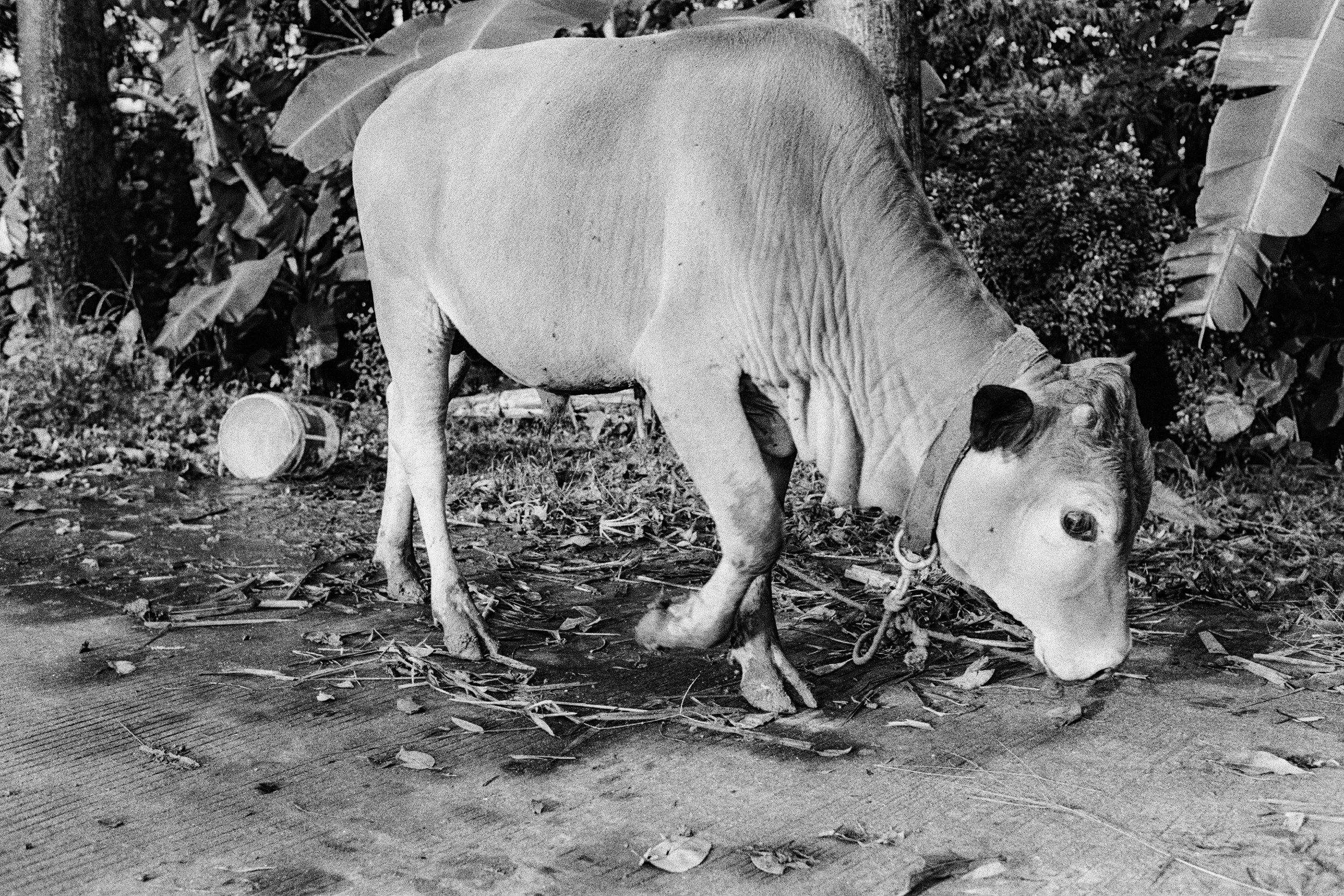
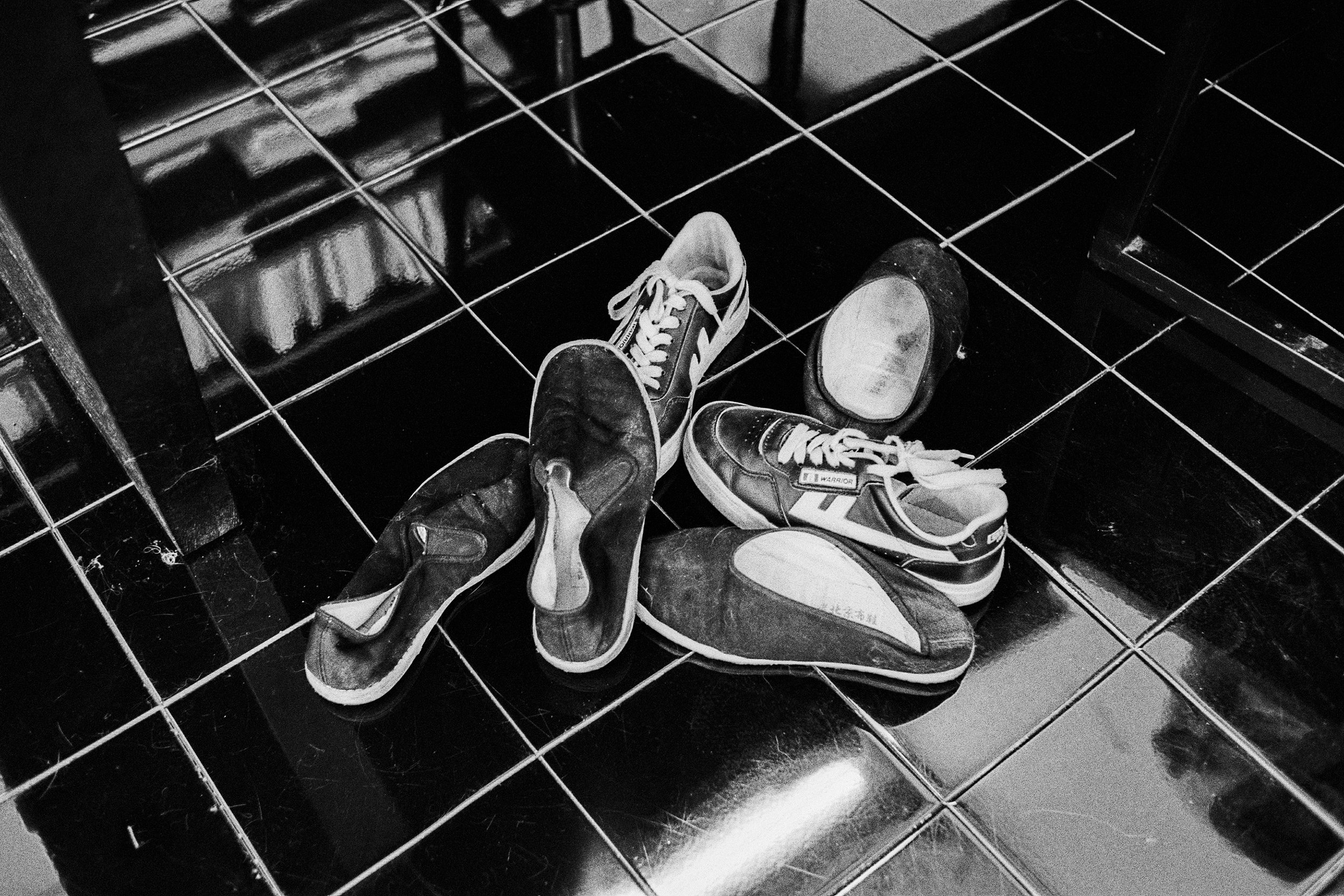
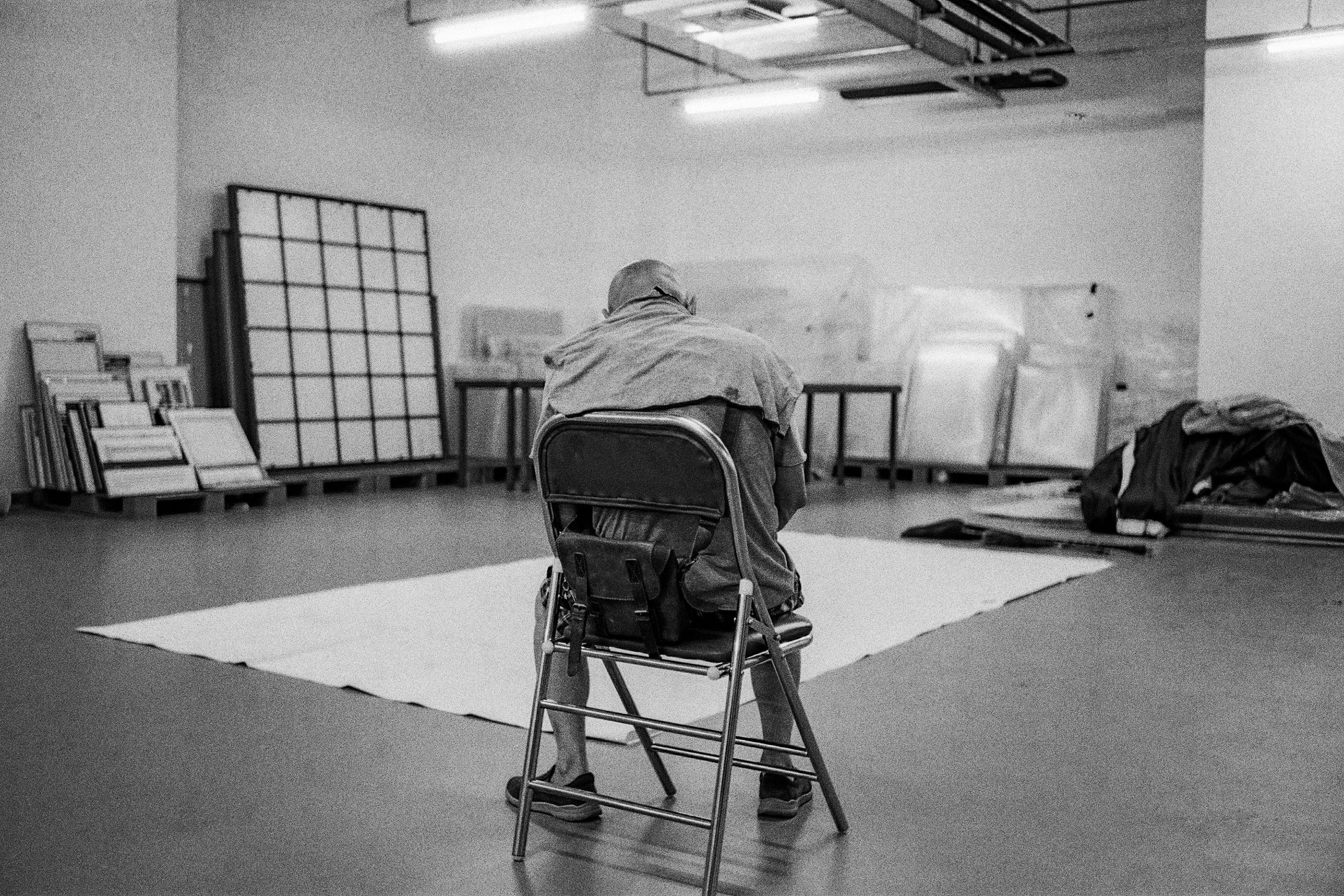
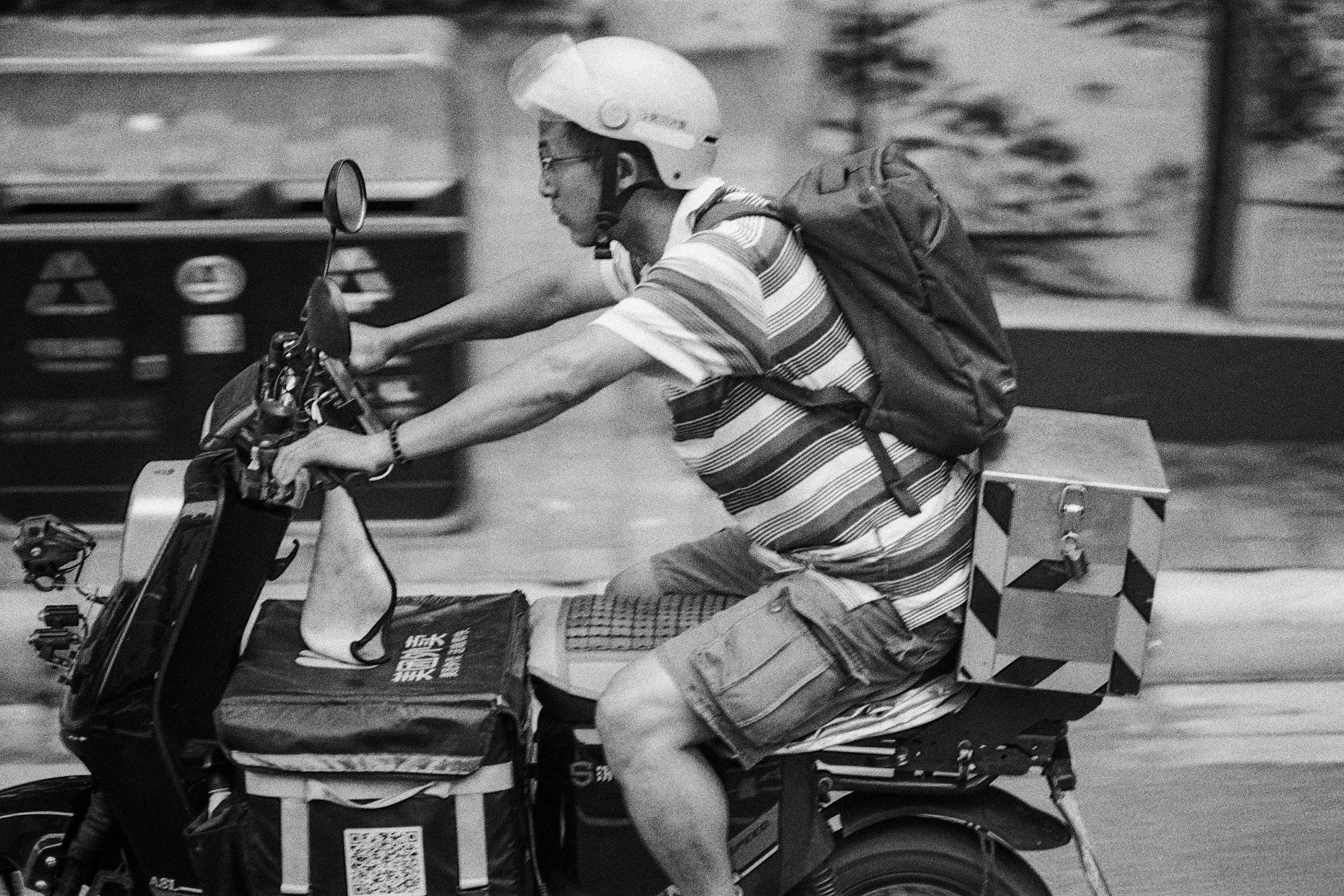
Working primarily in black and white, the series focuses on details, streets and everyday situations where memory and the present do not quite align. Familiarity remains, but often in fragments: a place, an object or a gesture can still feel immediately known while its surroundings have changed.
Rather than attempting to describe the region as a whole, Go-Between considers what it means to return to a place one remains connected to without fully recognizing it anymore, and how that uncertainty affects where, and how, one belongs.
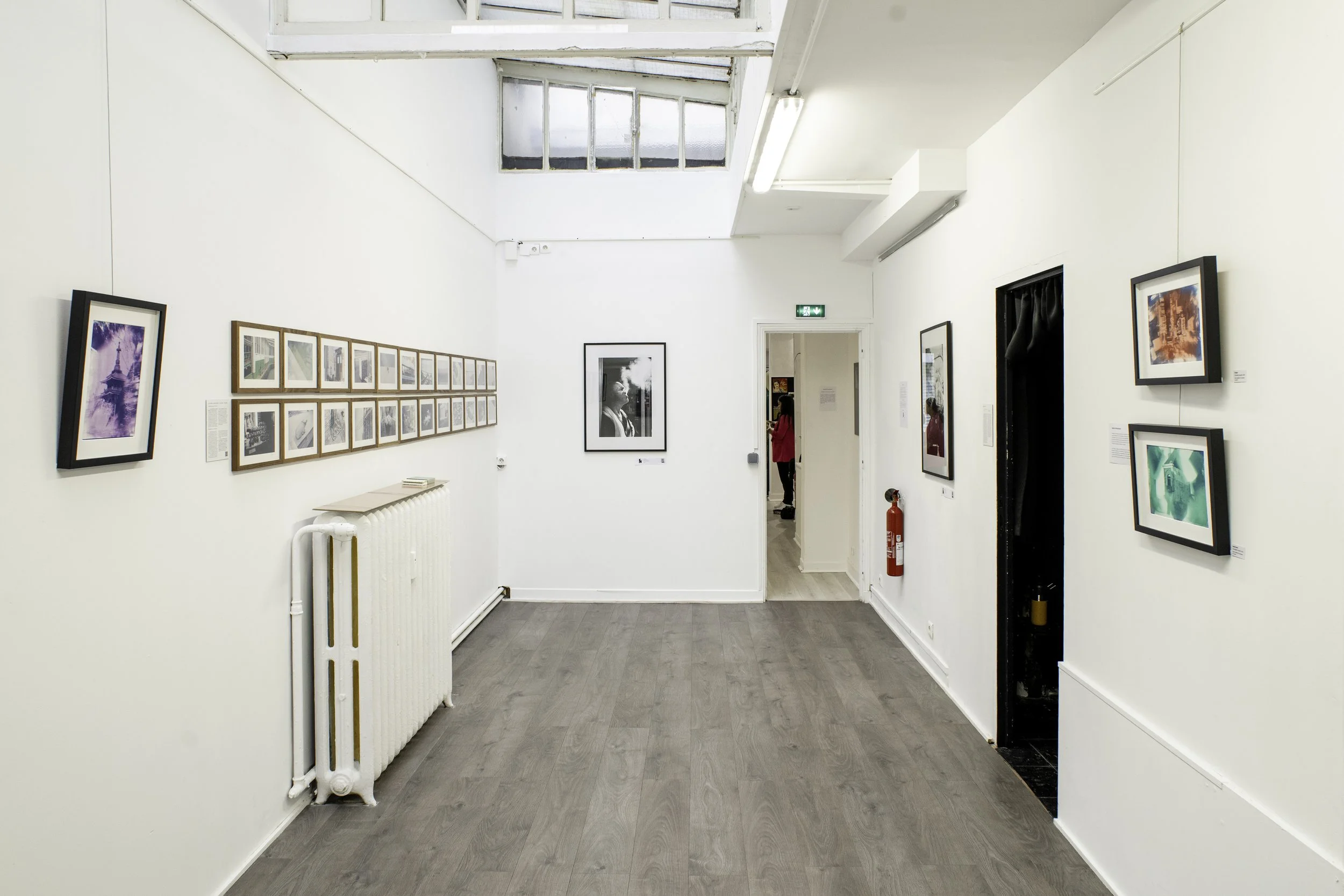
Interview about Go-Between for Visual Art Journal issue #49, released 28/02/26Exhibited at Galerie l'Esprit d'Escalier, Paris, FR, 2026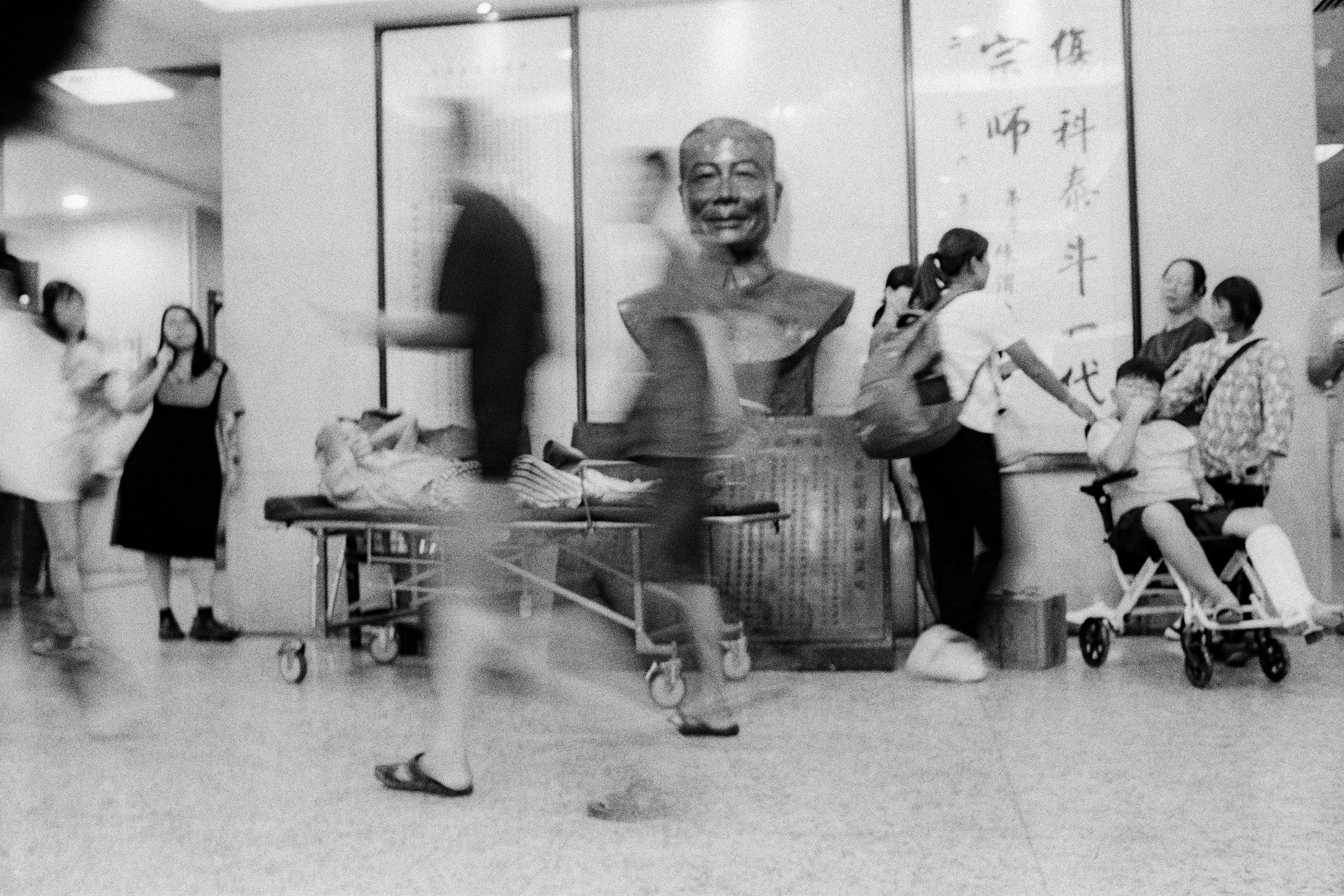

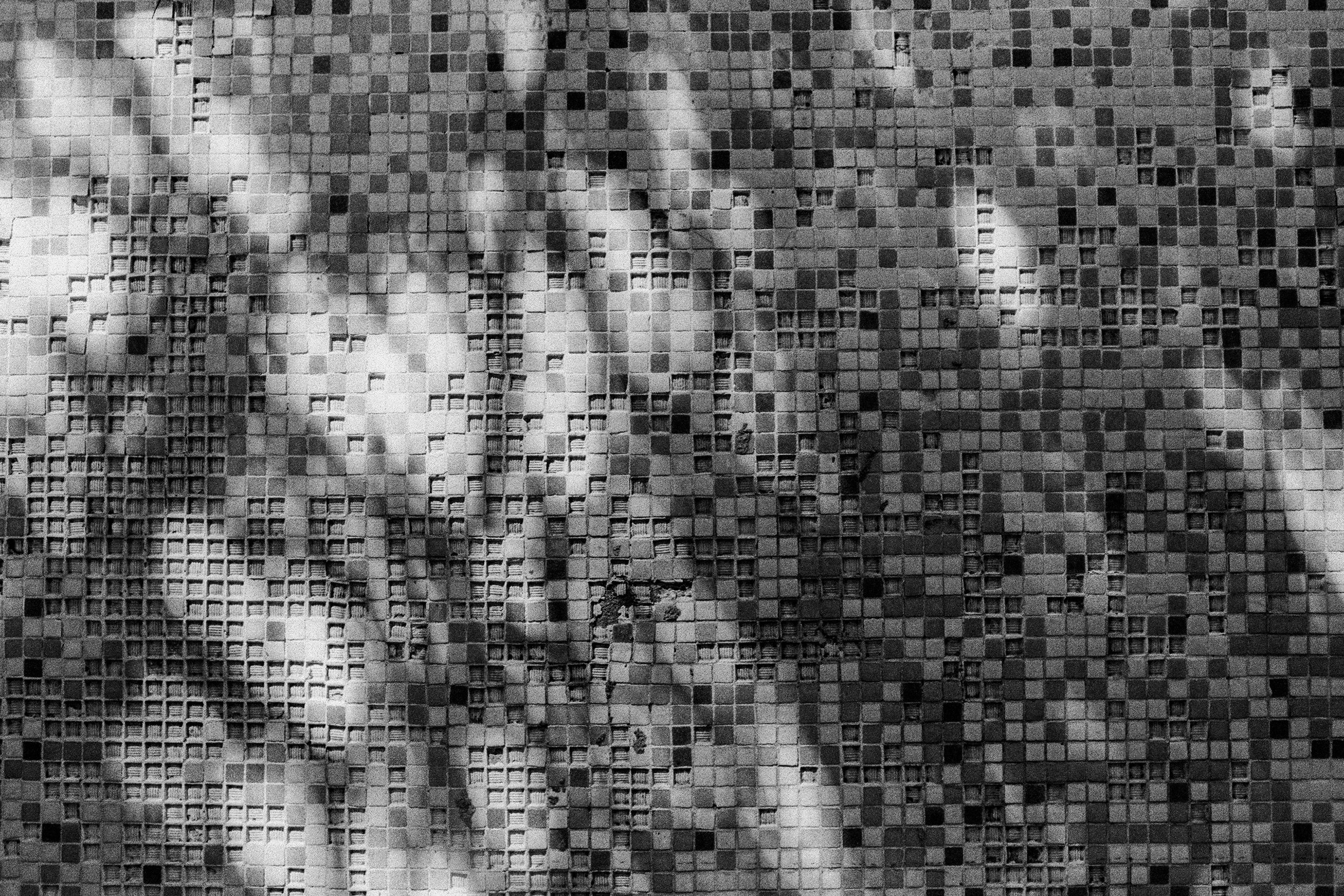
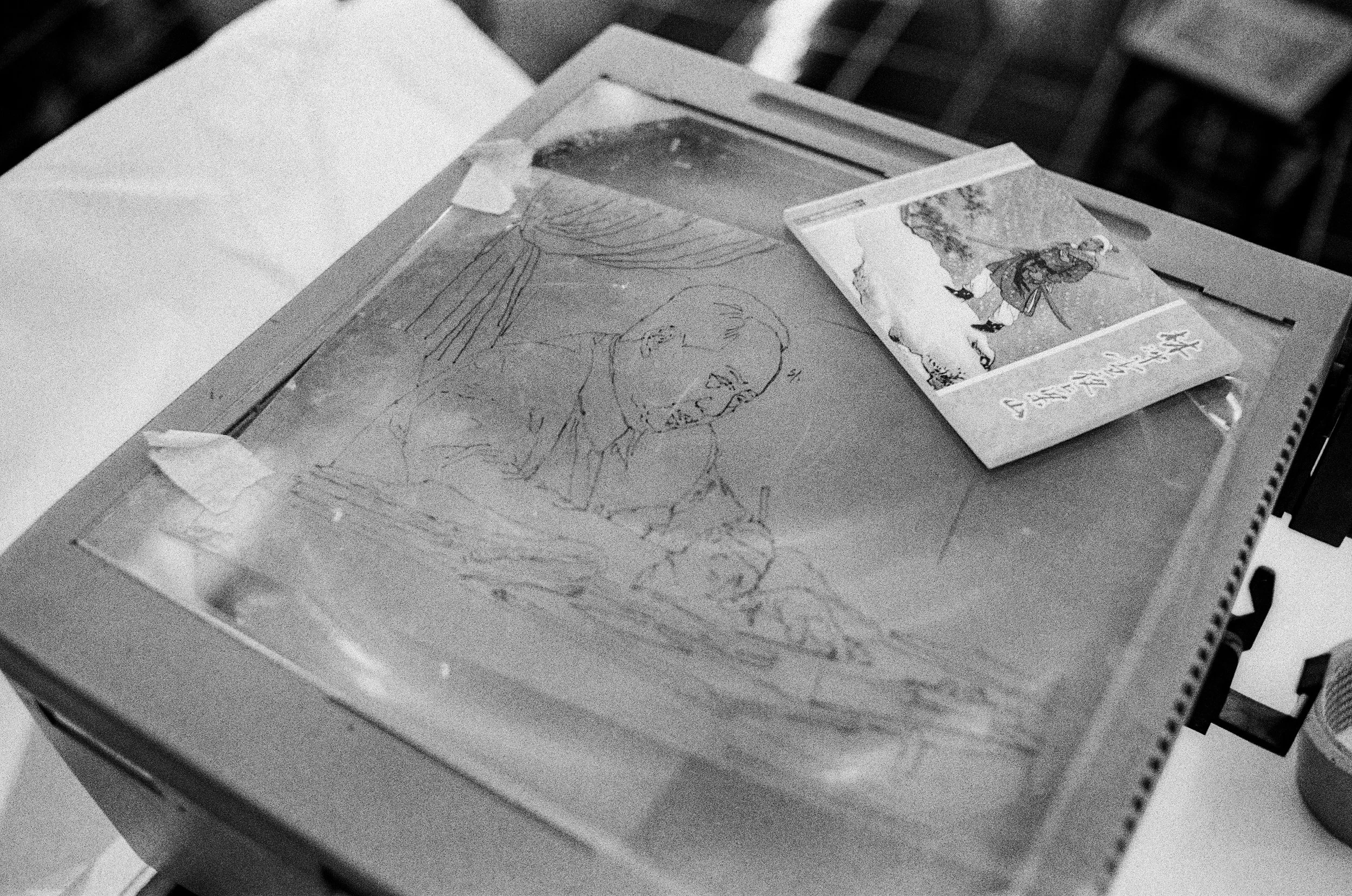
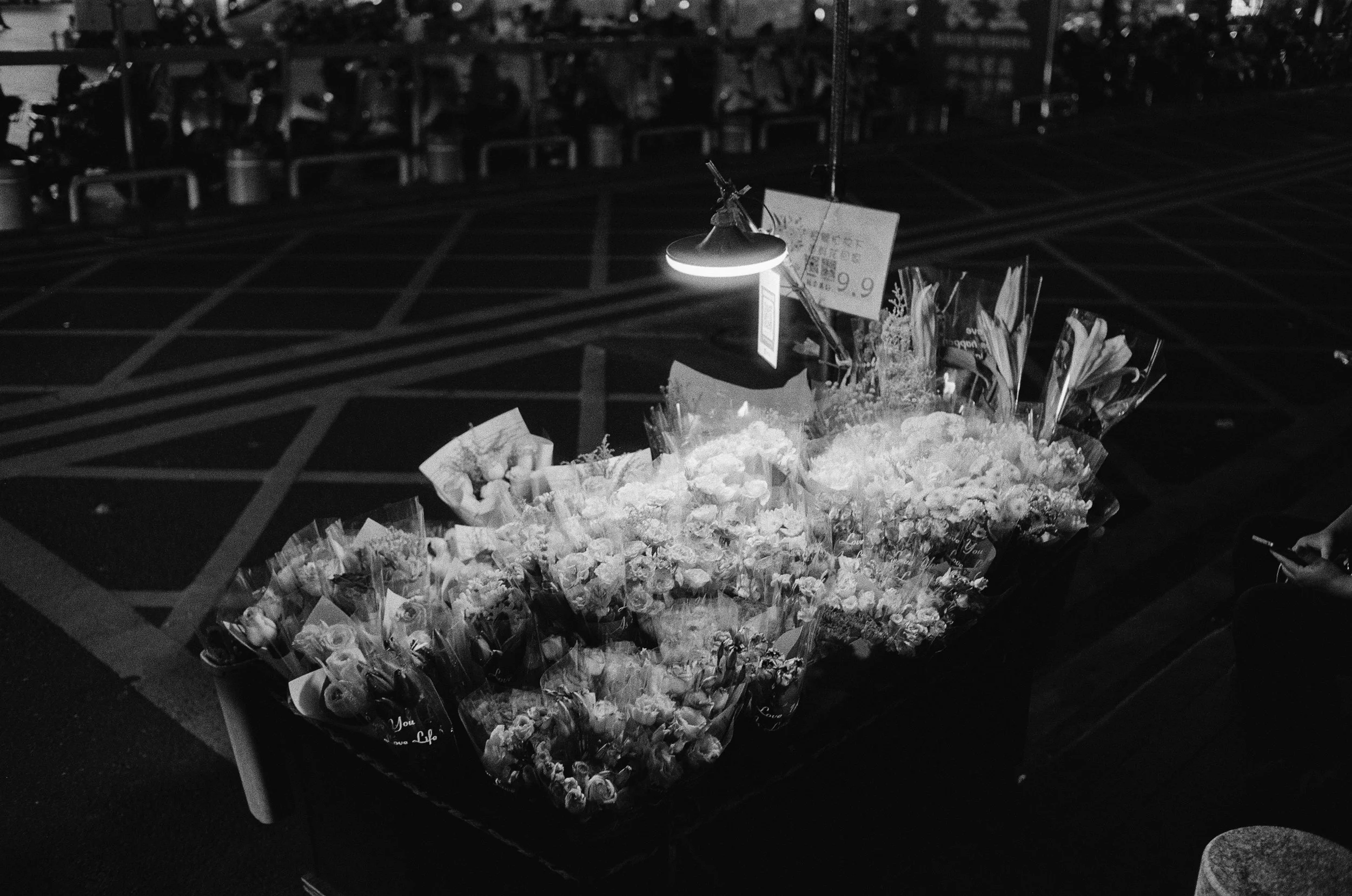
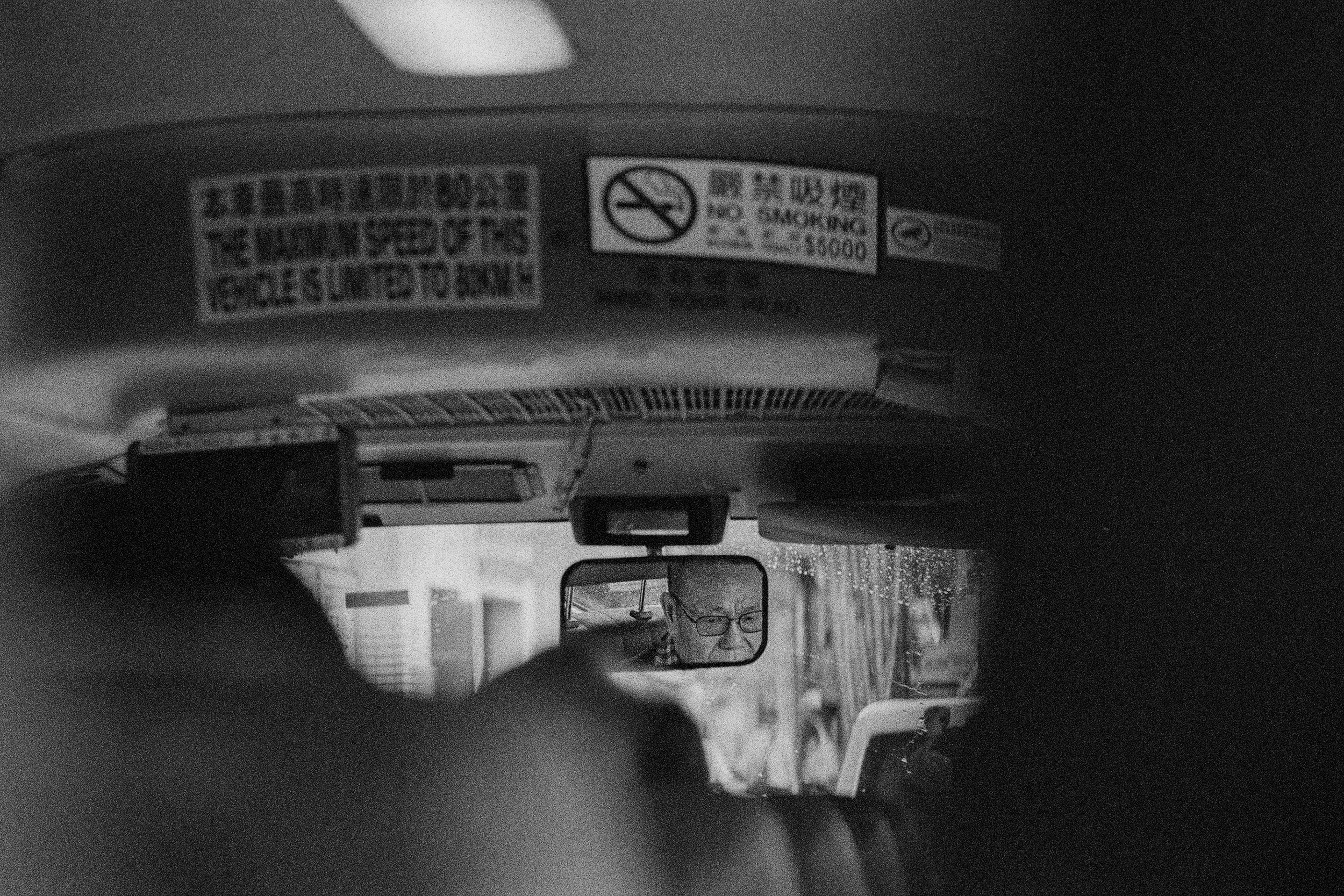
Artists’ statement
Returning to the Lingnan region after seven years away made me very aware of how much can disappear in one’s absence. My grandmother had died during that time, when my family was unable to return, while places I knew through family and repeated visits had continued to change. There was an impulse to preserve what remained, even though I am wary of treating photography as a straightforward record of reality.
The viewfinder, lens, framing and distance inevitably alter what is seen. They can isolate something from its surroundings, give an ordinary detail unexpected importance or reveal relationships that were not apparent at the time. The camera helped me look more carefully, but it also gave me some protection from the emotional weight of returning. Photographing could bring me closer to a place while simultaneously reminding me of my distance from it.
Memory is equally selective. Certain objects or places can retain an importance that seems disproportionate to their surroundings, while others disappear almost completely. The photographs in Go-Between move between details and wider views, reflecting an attempt to look again at places I already thought I knew. What interested me was not only what had changed, but the discrepancy between what I remembered and what I was actually able to recognize.
I work on film, which means some time passes before I see the photographs. I find that distance useful, not because slowness is the subject of the work, but because it separates the image from my immediate reasons for taking it. By the time I begin selecting and sequencing, I can be more critical about what a photograph contributes to the series rather than what it meant to me in the moment. Image-making, for me, continues through that process.
Go-Between does not try to reconstruct the place I remembered or present the Lingnan region as an objective reality. It comes from looking at the same experience more than once: first by being there, then through the camera, and later through the photographs. Each stage leaves something out and brings something else forward.
Exhibition Photos